
What Do Recent AARO Reports Reveal About Military Engagements?
-
Similar Topics
-
 By UAPResearcher
In a recent YouTube video, Ross Coulthart makes some significant comments regarding UAP disclosure that could spark further discussions in our community. Coulthart is known for his investigative work and has been involved in various discussions around the subject of unidentified aerial phenomena. What’s particularly interesting is his perspective on the current state of UAP investigations and governmental transparency.
One of the key points Coulthart addresses is the apparent lack of actionable data available to the public. Despite various reports and statements from government officials, there seems to be a gap between what's known within military circles and what’s shared with civilians. This discrepancy raises questions about the level of transparency we can expect moving forward. If the government has more evidence or insights, why is it not being disclosed?
Coulthart also discusses witness accounts and the importance of personal testimony in shaping our understanding of UAP incidents. He emphasizes that firsthand accounts often hold more weight than many might realize. This resonates with many of us who are keen to hear the stories of military pilots or civilians who have had close encounters. These narratives add depth to the data we have and often reveal the emotional and psychological impacts of such experiences on witnesses.
Additionally, the video touches on the role of investigative journalism in uncovering UAP-related information. Coulthart’s approach highlights the challenges reporters face when trying to obtain reliable information, especially when dealing with classified or sensitive material. This might prompt us to consider how we, as a community, can support more investigative efforts or advocate for clearer communication from officials.
While Coulthart's insights are compelling, they also point to a broader concern: the ongoing struggle for clarity and credibility in UAP discussions. As more videos and reports come to light, balancing skepticism with open-mindedness is crucial. It remains to be seen how much the public will learn in the coming years and whether these discussions will lead to substantive changes in government policy.
With all this in mind, what do you think are the most pressing questions we should be asking regarding government transparency on UAPs? Are there specific cases or incidents you feel need more investigation?
-
By UAPResearcher
The recent video released by the US military showcases several unidentified aerial phenomena (UAP) tracked by advanced sensors between 2022 and 2025. This footage presents a striking claim: some of these objects were recorded traveling at speeds up to 500 mph. It’s intriguing to see how the military is gradually revealing more about these phenomena, especially considering the historical secrecy surrounding such encounters.
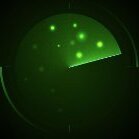
The footage highlights six small spherical objects that move in unison, frequently changing direction—an aspect that leaves uncertainty about their nature and origin. These motion characteristics could suggest advanced maneuverability, which is not typical of known aircraft capabilities. The objects were tracked using infrared and electro-optical sensors, which adds a layer of credibility to the report since these technologies are designed for precise detection in various conditions.
Interestingly, the mission reports indicate a velocity range for these objects, from a minimum of 80 mph up to the maximum of 500 mph. This range could imply varying capabilities or perhaps even different types of phenomena being observed in the same vicinity. The fact that these objects can travel at such high speeds raises a number of potential explanations—everything from advanced military technology to entirely new forms of aerial phenomena that we have yet to understand.
In analyzing the evidence presented, it’s crucial to consider the limitations of the footage and the context in which these observations were made. While the military's release is a step toward transparency, the lack of detailed context about the conditions under which the objects were observed leaves room for speculation. Factors such as sensor errors, environmental influences, or even misinterpretations of atmospheric phenomena could account for some of the observed behaviors.
Moreover, the viewer reactions to the video reflect a mixture of fascination and skepticism. Some viewers express excitement over the possibility of discovering new technology, while others urge caution, advocating for deeper analysis before jumping to conclusions about the objects' origins. This dichotomy of perspectives highlights the ongoing debate within the UAP community about the interpretation of such footage.
As the military continues to release more information, the investigation into UAPs becomes more critical. It raises significant questions about what we are actually dealing with—are these phenomena merely advanced military experiments, or do they point to something beyond our current understanding of technology and physics? With the government's renewed focus on these reports, it would be beneficial to have further clarification and perhaps more data to analyze.
In light of this new footage, what do you think should be the next steps for the military in terms of transparency and further investigation into these UAP sightings?
-
 By DisclosureWatch
A recent discussion featuring Avi Loeb on Jesse Weber Live highlights the Pentagon's recent waiver that may allow UAP whistleblowers to share crucial information without legal ramifications. This is particularly significant given the historical context of UAP disclosure efforts, where whistleblowers have often operated under the threat of punitive measures for revealing classified information. The promise of this waiver could open doors to more transparency in UAP investigations, potentially leading to a more comprehensive understanding of what these encounters entail.
Loeb emphasizes that the information shared by whistleblowers could provide insights beyond what the released UAP footage has shown. Much of the public's understanding of UAPs comes from these brief snippets of video, which often lack sufficient context or detailed explanations. If whistleblowers can speak freely, they might offer more in-depth accounts of their experiences and findings, lending credence to the ongoing investigations by the AARO (All-domain Anomaly Resolution Office).
Moreover, the timing of this waiver aligns with the increasing pressure from Congress for more accountability regarding UAP phenomena. As hearings continue to unfold, the expectation for reliable testimonies and evidence is mounting. The waiver could serve as a pivotal tool, allowing former military officials or other insiders to present their observations more candidly, which in turn could shape future legislative actions or directives regarding UAP investigations.
While this waiver is a step in the right direction, it also raises questions about the reliability of the information that could emerge. The nature of the whistleblower's accounts might vary significantly, depending on personal experiences or biases. The challenge lies in distinguishing between anecdotal evidence and verifiable claims. Therefore, ongoing scrutiny and critical assessment of any new information shared under this waiver will be crucial to ensure that it contributes meaningfully to the body of knowledge surrounding UAPs.
In conclusion, the potential for increased transparency regarding UAPs through whistleblower testimonies is promising, yet it also demands a cautious approach. As these individuals come forward, how do we ensure that their accounts are rigorously evaluated against existing evidence? This critical balance between openness and scrutiny will be vital for the integrity of future UAP investigations.
-
 By CosmicSignals
It’s fascinating to observe how the recent reports released by the All-domain Anomaly Resolution Office (AARO) have begun to reshape our understanding of unidentified aerial phenomena (UAP). According to the latest findings, which can be explored in detail at the government document source link, the reports highlight an increasing number of military encounters involving UAP that defy current technological explanations. The data compiled in these reports not only reinforces the seriousness with which the government is beginning to approach UAP investigations but also raises questions regarding the nature of these phenomena and their potential connections to extraterrestrial life.
Among the notable aspects of the AARO reports is the acknowledgment of multiple credible sightings and the accounts of military personnel. These testimonies provide a rich tapestry of experiences from individuals who are trained to observe and report on aerial activities. While the reports do not definitively attribute these UAP to alien civilizations, the patterns observed warrant further investigation and raise intriguing possibilities regarding their origins. What stands out is the commitment to transparency and the establishment of a formal process for evaluating these anomalies.
The potential implications of these findings are significant. The reports discuss incidents where UAP exhibited flight capabilities that surpass our current understanding of physics, leading many to speculate about their origins. Could these phenomena represent advanced technology developed by foreign nations, or might they hint at something beyond our current technological understanding? The lack of definitive answers in the reports emphasizes the need for continued investigation, as well as the importance of whistleblower testimonies that may provide further insight into the scope of UAP encounters.
Moreover, the government’s increasing openness to declassifying information surrounding UAP suggests a shift in the cultural narrative. For decades, discussions surrounding UFOs were often relegated to the fringe of scientific inquiry. However, with the AARO reports and ongoing congressional hearings, we find ourselves at a pivotal moment where the dialogue is expanding to include credible scientific analysis. It raises the question of how we, as a society, can better harness this momentum toward systematic investigations that could ultimately lead to groundbreaking discoveries about life beyond Earth.
As the conversation evolves, it’s essential to remember the distinction between what these reports establish versus what they imply. While the data points to unexplained aerial phenomena, it does not confirm extraterrestrial engagement. Still, the increasing rigor of these investigations suggests that we are moving closer to a comprehensive understanding of these UAP. For those of us interested in astrobiology and the search for extraterrestrial intelligence, these developments are a reminder of the importance of remaining grounded in scientific inquiry while exploring the profound questions of life in the universe.
Considering the information made available in the AARO reports and the context of ongoing investigations, what do you believe should be the next steps for government agencies in terms of transparency and public engagement regarding UAP? How can they best balance national security concerns with the public's right to know about phenomena that could redefine our understanding of life in the cosmos?
-
 By DeepSkyExplorer
I recently came across the latest UAP report from the AARO released on their official site (https://www.aaro.mil/Next-AARO-Home-redesign/Next-Parent/Next-UAP-Report-Documents/), and it’s got me thinking about the implications of military encounters with UAPs. This document seems to compile a lot of information on incidents that military personnel have encountered over the past few years, but it raises as many questions as it answers.
One thing that stood out to me was the emphasis on the limited data available for many of these encounters. It seems like there are numerous instances where pilots reported seeing something unusual, but the lack of concrete evidence or recordings makes it hard to draw any definitive conclusions. The report acknowledges this challenge and suggests a need for better data collection methods. I wonder what that might look like in practice. Would that mean more advanced sensors on military aircraft, or perhaps even collaboration with civilian agencies?
Another point that caught my attention was the mention of whistleblower testimonies. It’s intriguing to think that some military personnel might be willing to come forward to share their experiences. The report doesn’t go into detail about specific claims, but the potential for firsthand accounts to shed light on these encounters is significant. It makes me curious about what kind of protocols might be in place to protect those who decide to speak out. Are there still stigmas around discussing UAPs within military circles?
I also noticed a section discussing the need for transparency in these investigations. The idea that more information could be declassified or made available to the public is exciting but daunting at the same time. There's a fine line between national security and public interest, and I can see how some information might be withheld to protect sensitive data. But would the public be better served by a clear understanding of what’s being investigated?
Overall, the report reinforces the idea that while we’re making progress in understanding UAPs, there’s still so much that remains murky. It feels like we’re only scratching the surface of what might be out there. Given the complexities and ambiguities surrounding these military encounters, I’m really interested in hearing what others think about the challenges outlined in the report. Do you believe the AARO will be able to gather more substantial evidence in the future, or are we likely to continue facing these uncertainties?
I’d love to hear your insights and thoughts on how the AARO’s findings might shape future disclosures or investigations into UAPs.
-
Recommended Posts
Join the conversation
You can post now and register later. If you have an account, sign in now to post with your account.
Note: Your post will require moderator approval before it will be visible.