
Hiroshima-Scale Explosions that Nobody Warns Us About, Occur Every Year in Earth’s Atmosphere

-
Similar Topics
-
 By UAPResearcher
This YouTube video from NewsNation shares recently released audio files related to UFOs, dating back 70 years. It feels different because it combines historical evidence with contemporary expert reactions, offering a fresh angle on ongoing UAP discussions. The video features notable figures like Avi Loeb, Luis Elizondo, and Ross Coulthart, who weigh in on the implications of these audio files and the silent objects mentioned within.
One significant aspect is the audio itself, which hasn't been publicly available until now. Its release raises questions about what the recordings might reveal regarding past UAP encounters. Are they simply mundane phenomena, or do they suggest something more intriguing? The reactions from experts add another layer, as they attempt to interpret the significance of these sounds in the context of current UAP investigations.
Avi Loeb's comments about the silent objects hint at a broader conversation about technological capabilities and what they might mean for our understanding of aerial phenomena. Elizondo and Coulthart provide context on how this audio fits into the larger narrative of UAP sightings and government disclosures. Their expertise offers critical insights, but it's important to remember that interpretations can vary widely. This diversity of thought is essential, especially when considering the limitations of the evidence presented.
Moreover, the expert commentary on the audio does not automatically validate any claims of extraterrestrial activity. Instead, it opens the door for a nuanced discussion about the nature of these sounds and their origins. It's a reminder that while the UAP phenomenon is often sensationalized, there are still many unanswered questions and plenty of skepticism that must be addressed.
Given the long history of UAP sightings and the slow pace of governmental transparency, the release of these audio files is a notable event. However, it also highlights the ongoing struggles in distinguishing between credible evidence and misinterpretations or misidentifications. As such, the discourse surrounding this video is crucial for the community navigating these complexities.
As we digest this new information, one important question arises: How can we better differentiate between valid UAP reports and those that may lead us astray in our understanding of aerial phenomena?
-
By UAPResearcher
In a recent episode of 'Reality Check,' Ross Coulthart discusses the potential for what he terms 'catastrophic disclosure' regarding unidentified aerial phenomena (UAP). Coulthart suggests that the long-awaited transparency from government entities may soon come to fruition, though the nature and implications of that disclosure remain uncertain. One noteworthy aspect of the episode is Coulthart's reference to newly declassified Pentagon documents, which he claims could provide critical context for understanding UAP incidents.
The episode also highlights a previously unreported UAP sighting by an Australian soldier in Afghanistan. This testimony adds another layer to the ongoing discourse surrounding military encounters with unexplained aerial events. When considering the existing body of evidence, witness accounts like this one can be crucial in painting a more comprehensive picture of UAP phenomena. However, it’s essential to scrutinize the reliability and context of such claims, as they often stem from personal experiences that may lack corroborating data.
Coulthart further delves into the recent announcement by the U.S. Space Force regarding its deployment of weapons in space. This move raises questions about national security and potential military actions in relation to UAPs. As Coulthart connects these developments to the themes of consciousness research and near-death experiences, one must wonder how much of this narrative is founded on empirical evidence versus speculative associations. While such discussions can be intriguing, the leap from military policies to broader metaphysical implications might dilute the seriousness of the UAP conversation.
Another interesting element discussed in the episode is the connection to Steven Spielberg's family, with claims that they were involved in the Roswell wreckage recovery. Coulthart entertains the idea that Spielberg's films could serve as a form of 'soft disclosure.' This concept suggests that popular media may subtly convey truths about UAPs and government secrecy, but it relies on conjecture rather than concrete evidence. While film can influence public perception, it should not be conflated with verified facts.
Overall, Coulthart's episode offers a mix of intriguing anecdotes and speculative ideas, but it remains vital to approach such claims with a critical eye. The landscape of UAP disclosure is fraught with uncertainty, and while Coulthart signals a potential shift towards more openness, the details of what this entails are still unclear. As we consider these narratives, it’s essential to remain grounded in evidence and recognize the limits of personal testimony in the broader context of UAP research.
With all these elements in mind, how do we balance the excitement of potential government disclosure with the necessity for rigorous evidence in validating personal experiences and claims?
-
 By SpaceObserver
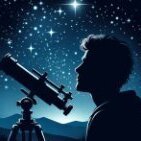
The Perseid meteor shower is just around the corner! It always feels like a highlight of the summer for stargazers. This year, the peak will be around August 12, so I’m already starting to plan my viewing spot away from city lights.
I’ve been reading that the conditions might be pretty favorable this time since the moon will be a waning crescent. That should help make the meteors a lot more visible. I remember last year it was almost washed out by the moonlight, which was disappointing.
Is anyone else planning a trip to catch the shower? I’m thinking of heading out to one of the darker spots in my area, maybe even taking my telescope along to see if I can catch some deeper sky objects while I wait for the meteors.
Also, I've heard the meteors can sometimes be quite variable in intensity. I wonder if anyone has tips for spotting the best ones? I heard that if you lie back and look at a wide field of the sky, it helps to catch more of the action.
The Perseids always seem to have some surprises too. Last year, I read about people seeing bright fireballs amidst the typical meteors. Has anyone had a particularly memorable experience during the Perseids? I’d love to hear about it!
Let’s share our plans and any advice for making the most of this year's shower. It’ll be great to connect with others who are just as excited for this event as I am!
-
By UAPResearcher
The Perseid meteor shower is always a highlight for stargazers, but this year feels particularly promising. With the peak occurring around August 12, I’ve been curious about how the moon phase will affect visibility this time. It’s supposed to be a waning crescent moon, which should minimize light interference, allowing for a clearer view of the meteors. Has anyone checked the forecasts for their locations?
I remember last year’s shower was a mixed bag due to weather issues in some areas. I missed a lot of the action, but I’ve seen reports showing that many lucky observers had great experiences elsewhere. The Perseids are known for their bright meteors, sometimes leaving persistent trails, but I wonder if anyone else has specific techniques or tips for maximizing viewing potential this year.
The history of the Perseids is also fascinating. They are associated with Comet Swift-Tuttle, which last passed close to Earth in 1992. With a predictable cycle, there’s something comforting about knowing we can expect these meteors almost every August. I’ve read that the best times to view them are usually in the early morning hours before dawn. Does anyone have favorite spots or rituals for catching these shooting stars?
Lastly, I’ve noticed that discussions around meteor showers often touch on potential links to meteorites or other celestial phenomena. There’s a lot of excitement about the idea that some of these meteors could originate from ancient debris, giving us a glimpse into the early solar system. Could there be any unknown factors this year that might influence the shower’s intensity? Anyone got thoughts on how conditions like solar activity could play into this?
Looking forward to hearing everyone's plans for the Perseids this year. Whether you’re heading to a dark-sky area or planning to watch from your backyard, it’s always a thrill to connect with the cosmos during these events! Happy stargazing!
-
By UAPResearcher
The recent analysis of Proxima Centauri b's atmosphere has stirred up some intriguing discussions in the astrobiology community. Researchers have found that the planet, which is located in a habitable zone, might possess a more complex atmospheric composition than previously thought. This detail can significantly influence our understanding of its potential to support life.
One of the most exciting aspects revealed is the possibility of water vapor in its atmosphere. If true, this aligns with the conditions necessary for life as we know it. The implications of having liquid water on the surface could mean that Proxima Centauri b has a chance of hosting microbial life or even more complex organisms under the right circumstances.
Moreover, the presence of various gases like carbon dioxide and methane gives further credence to the idea that chemical processes might be active on the planet. These findings lead to interesting questions about whether we could someday detect biosignatures or other indicators of life through future observations. The technology for such missions is constantly evolving, and it’s exciting to think about what we might find.
In light of these discoveries, how do you think they affect our ongoing search for extraterrestrial life? With Proxima Centauri being our closest stellar neighbor, does this increase the urgency for exploration missions to this system? It's fascinating to consider how much we still have to learn.
As we gather more data on exoplanets, Proxima Centauri b serves as a vital piece of the puzzle. Its atmosphere could unlock new theories in astrobiology and guide future searches for life beyond Earth. The challenge is not just in understanding this planet but also in how we interpret the data we collect. Are we ready to adapt our theories based on new evidence?
I’m curious to hear what others think about this potential for habitability. Do you believe Proxima Centauri b could be a prime candidate for contact with extraterrestrial life? Are there alternative explanations for the atmospheric findings that we should consider? Let’s dive into the details and speculate on the possibilities ahead.
-
Recommended Posts
Join the conversation
You can post now and register later. If you have an account, sign in now to post with your account.
Note: Your post will require moderator approval before it will be visible.